
The Conflict of Place in the Pacific
The Man in the High CastleThe hierarchy of race and rank shapes every human encounter in occupied America, breeding fear, resentment, and small acts of rebellion.
increasing Bearing strength in each event
 decreasing
Bearing strength in each eventdecreasingThe Pedecab Hierarchy
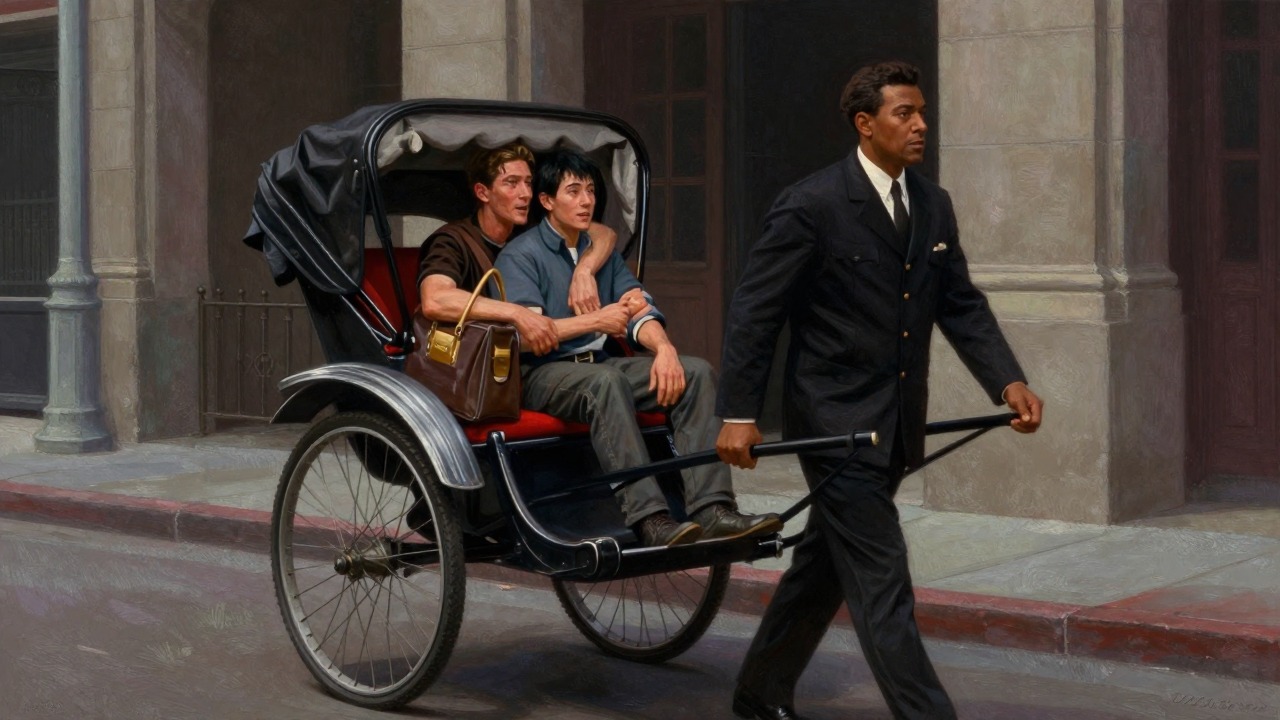
The Pedecab Hierarchy
Context
Robert Childan is pulled through San Francisco by a Chinese pedecab driver. He feels both pleasure and shame at being carried by someone lower in place.
Turning Point
At the building, he insists on a black porter to carry his bags. He must show that he is above the lowest class, even while he bows to every Japanese.
Significance
The hierarchy of place is spatial: the white dealer, the Chinese driver, the black porter. Each knows their rank and punishes any infraction.
The White Barbarians
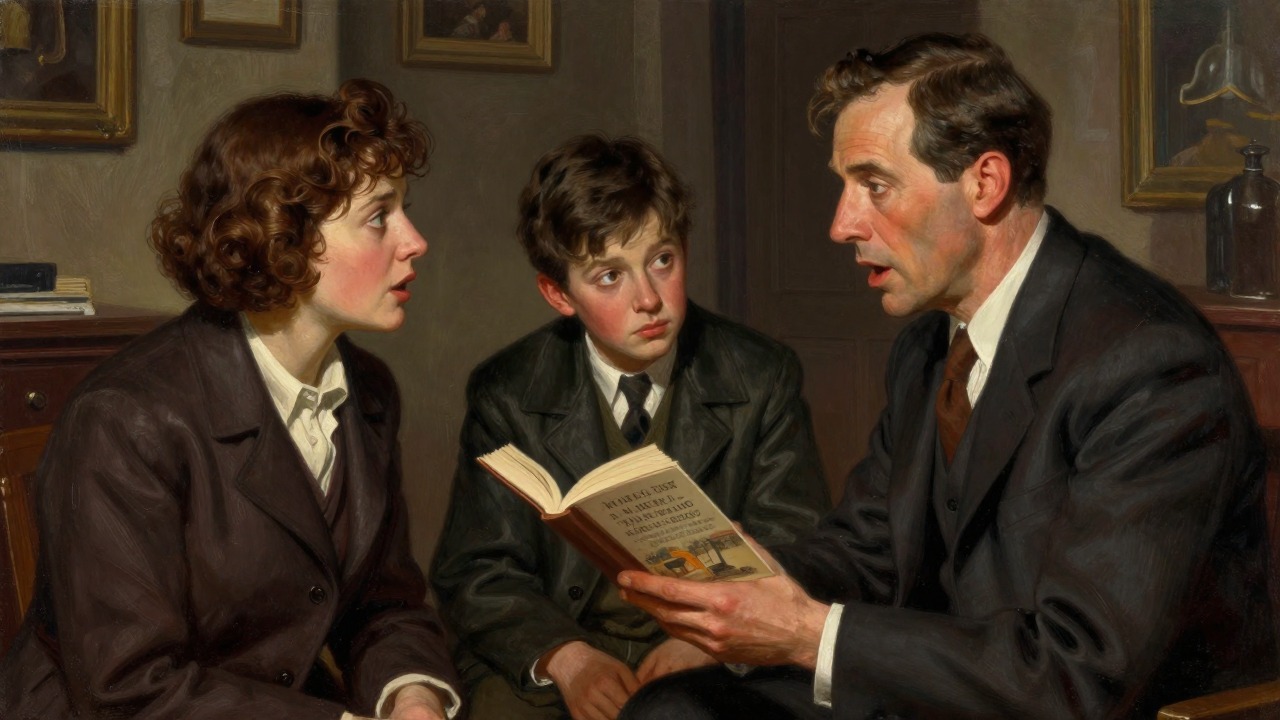
The White Barbarians
Context
Childan's hosts, Paul and Betty Kasoura, are polished and patient, but he feels he cannot match them. He watches their wabi and their ease and sees himself as a crude intruder.
Turning Point
His political outbursts and his inability to explain a Nathanael West novel deepen his sense of racial inferiority. He hates himself for needing their approval.
Significance
The conflict of place is internal as well as external. The conquered white man carries the hierarchy inside his own mind.
The Jew Behind the Name
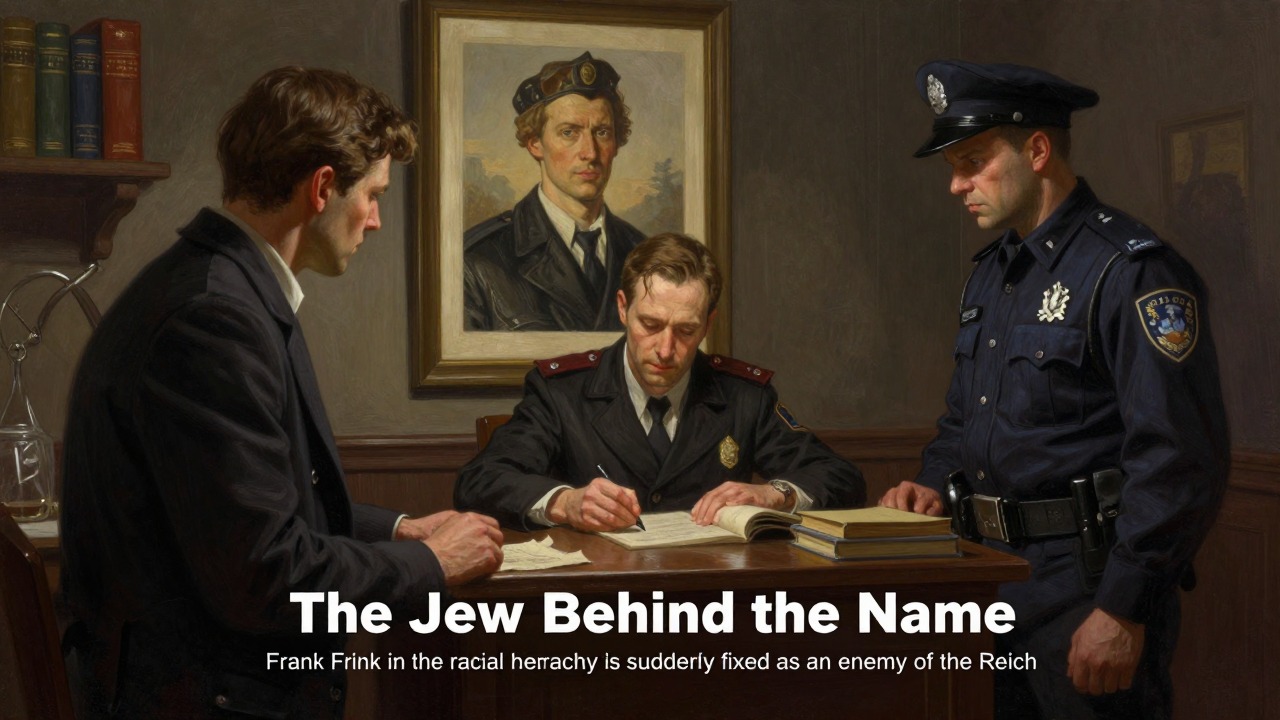
The Jew Behind the Name
Context
Frank Frink hides his Jewish birth name, but the police uncover it and use it against him. His place in the racial hierarchy is suddenly fixed as an enemy of the Reich.
Turning Point
He is held for extradition, his American identity erased by a European law. His race trumps everything he has made of himself.
Significance
The Pacific is not free from Nazi racial law. It extends into the New World through jurisdiction and the collaboration of local police.
The Slave at the Edge
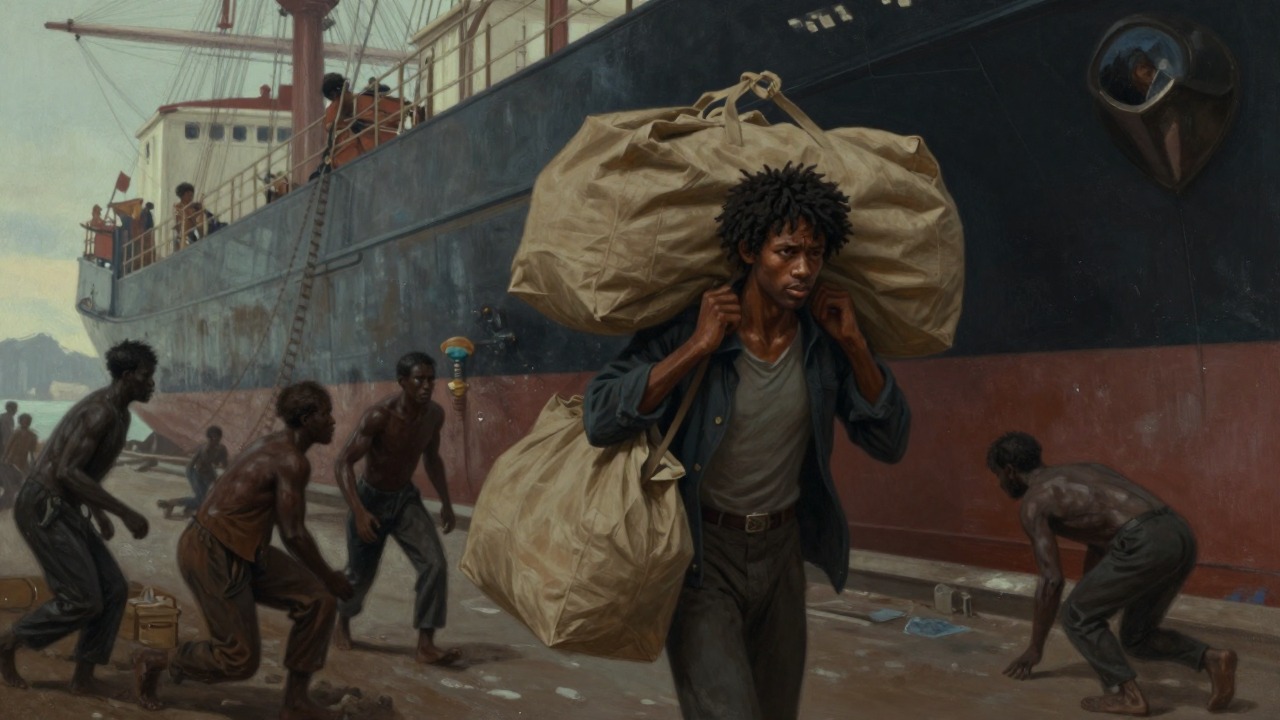
The Slave at the Edge
Context
Childan recalls the black slaves who unload ships in San Francisco, and the strict curfews that keep them invisible. He knows his own place is only a few steps higher.
Turning Point
He imagines what it would mean to be seen carrying his own bags, a humiliation worse than a loss of business. He obeys the rules of place obsessively.
Significance
The presence of slaves shows the true scale of the empire. Race, not just rank, cuts people into almost invisible layers, and even a yank dealer shares the terror of falling.
The Consul's Disdain
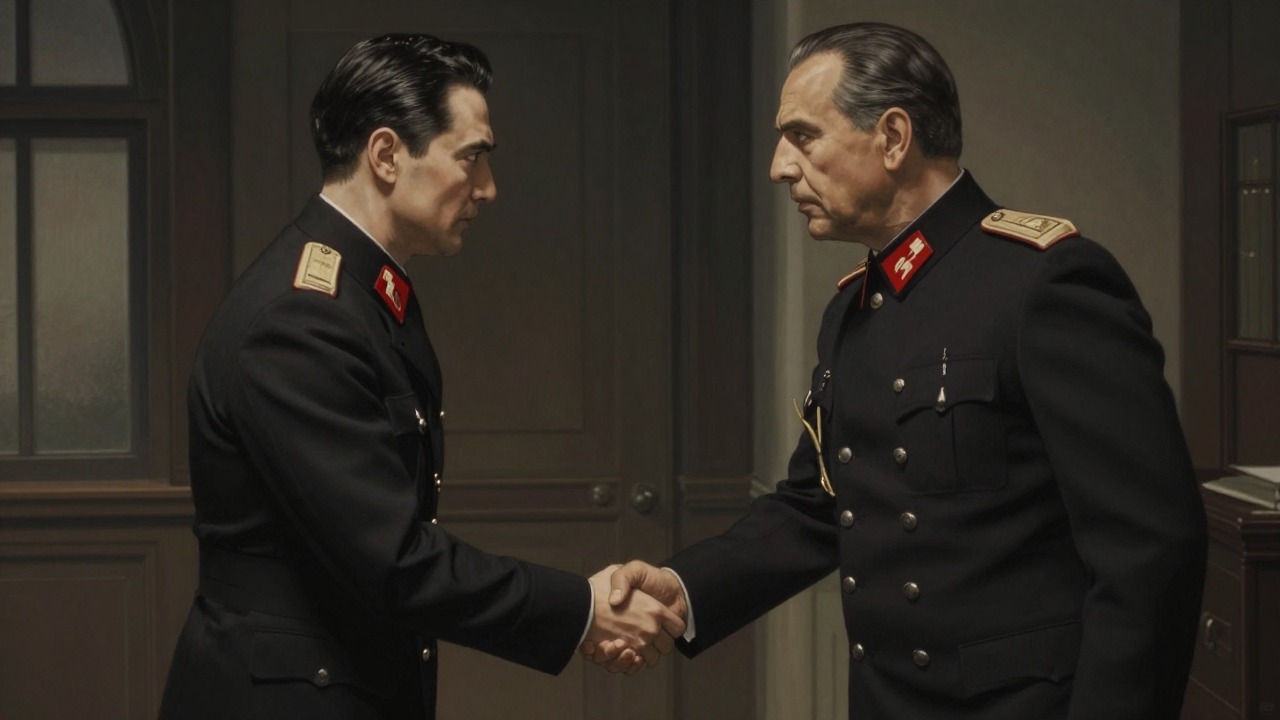
The Consul's Disdain
Context
Tagomi rejects Reiss's conciliatory handshake and calls him out for the SD raid. He then releases Frink, openly defying the Reich's legal claim.
Turning Point
Reiss leaves humiliated, but the power structure remains. Japan and Germany are allies, and neither can openly break with the other, no matter how much they despise each other.
Significance
The conflict of place is also between empires. Tagomi's gesture is a flash of defiance in a system built on uneasy mutual contempt.
when Childan rides to the Nippon Times Building
during the Kasoura dinner
when the police learn Frank Frink's real name
while Childan imagines the rules of place
when Reiss and Tagomi face each other
